Our Projects

Our focus on research and innovation has enabled us to develop world-class cultivation methods and products, making us a pioneer in our industry. Working with other experts in the field, we continually strive to improve the way we cultivate and process our seaweed to support people’s well-being and to make a unique contribution to our blue planet.

SeaMark project

SeaMark

SeaMark was a four-year project funded by Horizon Europe. A consortium led by Ocean Rainforest, comprising 25 international and cross-disciplinary partners, was awarded a prestigious €9 million Horizon Europe grant to upscale seaweed production and market applications across Europe.

Read the full project →
MacroSystems project

MacroSystems

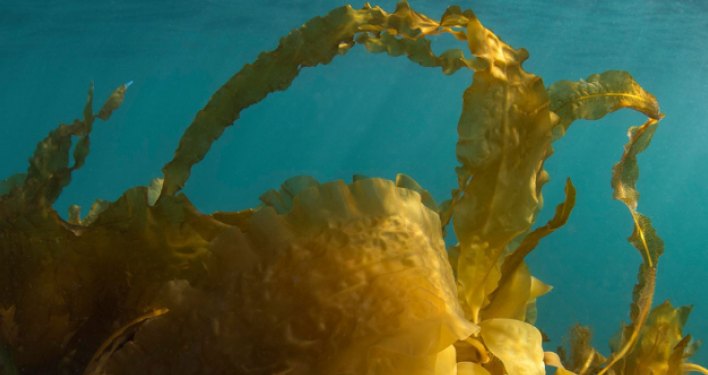
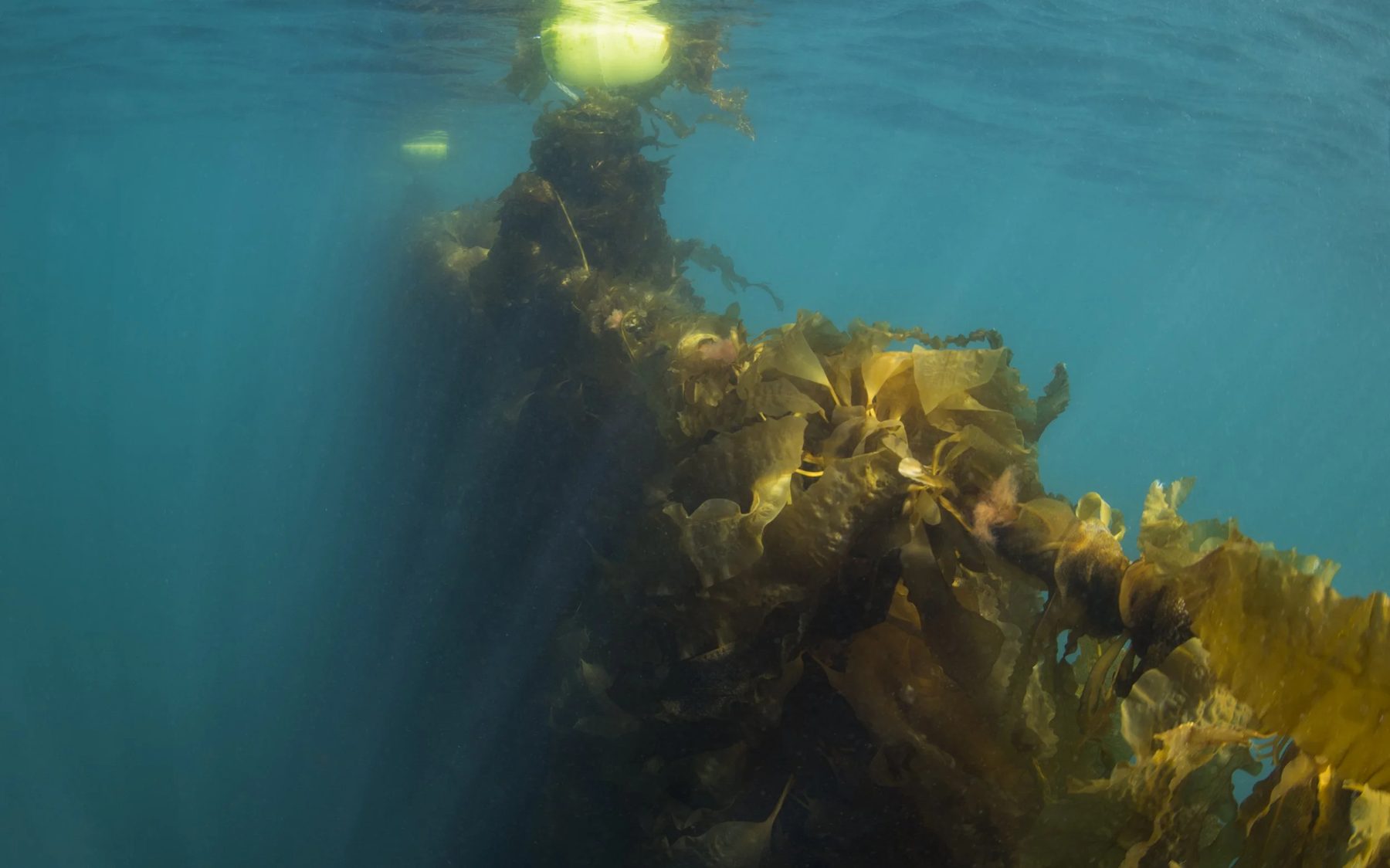
MacroSystems was an offshore seaweed cultivation project led by Ocean Rainforest under the ARPA-E MARINER programme of the U.S. Department of Energy. Initiated in 2018 and funded through summer 2026, the project developed and demonstrated technologies required for commercial-scale offshore cultivation of giant kelp (Macrocystis pyrifera) in California. Key innovations included selective breeding, direct seeding technologies, optimised offshore cultivation systems, harvesting solutions, and techno-economic modelling to reduce production costs and improve scalability. The project successfully established and operated an offshore demonstration farm in the Santa Barbara Channel and generated the scientific, engineering, and operational knowledge required for commercial deployment. MacroSystems directly supported Ocean Rainforest’s subsequent permitting efforts, which resulted in regulatory approval and federal-water permits for a 2,000-acre commercial kelp farm offshore California.

Read the full project →
RaTaPro project

RaTaPro

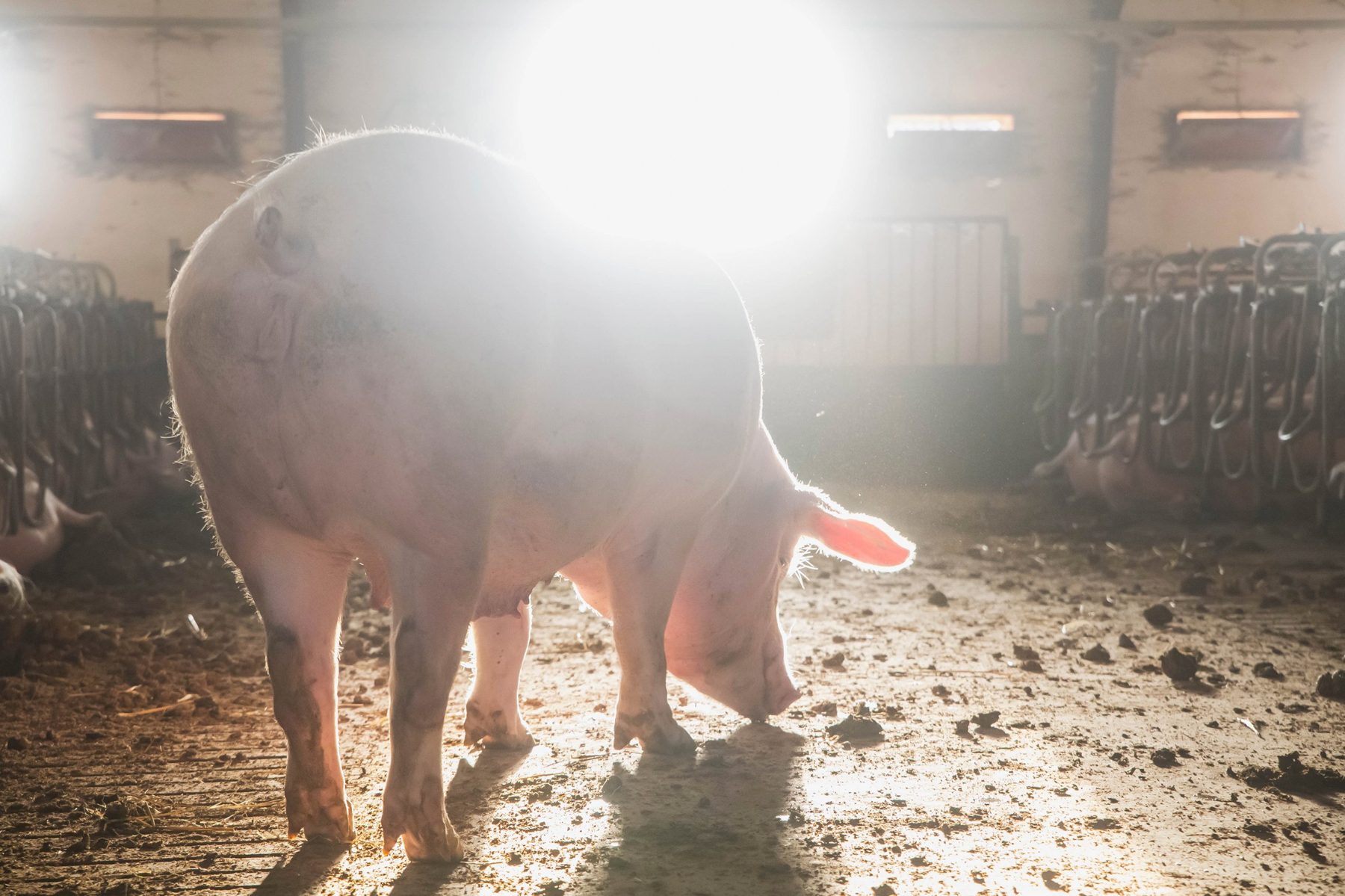
RaTaPro is a four-year innovation project running from October 2026 to September 2030. The project brings together Ocean Rainforest ApS, FERMENTATIONEXPERTS A/S, Aarhus Universitet, and Aalborg Universitet to develop a new generation of sustainable protein ingredients for pig production. The project will develop innovative feed ingredients based on fermented rapeseed meal and seaweed, designed to reduce dependence on imported soy protein while improving animal health and lowering the climate footprint of pig production. By combining Danish-grown rapeseed, cultivated seaweed, advanced fermentation technology, and animal nutrition research, RaTaPro aims to create a commercially viable feed solution that supports both agricultural competitiveness and the green transition.

Read the full project →
SFI Seaweed project

SFI Seaweed

SFI Seaweed is an eight-year Centre for Research-based Innovation running from 2026 to 2033 that aims to establish Norway as a global leader in sustainable seaweed cultivation and utilisation. The centre brings together leading research institutions, public authorities, and industrial partners from across the seaweed value chain, including Ocean Rainforest, to develop the technologies, infrastructure, and market solutions required for a large-scale seaweed industry. The centre focuses on reducing cultivation costs, automating production, enabling seaweed farming in exposed offshore environments, developing zero-waste biorefineries, and creating new food, feed, agricultural, biomaterial, and climate solutions from seaweed biomass. Through innovation across the entire value chain, SFI Seaweed will accelerate the transition towards a circular and sustainable blue bioeconomy.

Read the full project →

ZEN-SEA project

ZEN-SEA

ZEN-SEA (Zero-Waste Nordic Seaweed Value Chain) is a Nordic collaboration project running from May 2026 to April 2028. The project aims to establish and demonstrate a scalable zero-waste seaweed biorefinery capable of converting cultivated seaweed into multiple high-value ingredients for food, cosmetics, biomaterials, and other bio-based products. The consortium includes Verdemar AS, Ocean Rainforest, KTH Royal Institute of Technology, Lerøy Seafood, and several Nordic downstream product developers. By combining sustainable seaweed cultivation with advanced biorefining technologies, ZEN-SEA seeks to unlock the full value of seaweed biomass, reduce waste, strengthen Nordic value chains, and accelerate the transition towards a circular bioeconomy.

Read the full project →
SeaBioCat project

SeaBioCat

SeaBioCat is an international Blue Economy research project focused on transforming seaweed carbohydrates into high-value bio-based chemicals and polymer building blocks. The consortium combines expertise in biotechnology, enzyme engineering, biorefineries, and sustainable materials to develop innovative biocatalytic processes that convert brown seaweed into alternatives to fossil-based chemical feedstocks. Ocean Rainforest contributes seaweed biomass and industry expertise as the principal cultivation partner. The project aims to demonstrate how cultivated seaweed can become a sustainable source of future bioplastics and bio-based materials while supporting the growth of the blue bioeconomy and reducing reliance on fossil resources.

Read the full project →
ULTFARMS project

ULTFARMS

ULTFARMS aims to revolutionize the application of Low-Trophic Aquaculture (LTA) systems through the integration of novel engineering, technical, ecological, and biological processes to optimize production in harsh offshore conditions, low-salinity environments, and within Offshore Wind Farms (OWFs). This will be achieved through the development of six Low-Trophic Aquaculture Pilots (LTAPs) located in offshore wind farms across the North and Baltic Seas.

Read the full project →
TexMaTer project

TexMaTer

TexMaTer aims at producing novel cellulosic fibres and bioformulations for textiles’ finishing using under-utilised biomass resources and wastes from agricultural practices and micro- and macroalgal production and post-consumer home textiles. These functional and sustainable solutions will be further used in prototypes for fashion and home textiles’ markets.

Read the full project →
MABICOW project

MABICOW

The aim of the project is to develop a methane-reducing additive for cattle feed from bioactive components in macroalgae.

Read the full project →
MAB4 project

MAB4

The MAB4 project focus on cultivating seaweed on a large scale and using it for food and skin products. While running out of farmland, new opportunities show up for growing sea-crops in the oceans. Many seaweed species are highly nutritious and rich in bioactive substances, those can serve as ingredients for food and cosmetics.

Read the full project →
CircleFeed project

CircleFeed

The CircleFeed project funded by the Nordic Innovation aims to solve two of the major challenges for European cattle production, namely the need to find sustainably produced alternative protein sources to imported protein feeds and to reduce the contribution to global warming through drastic reductions of enteric methane emission.

Read the full project →
Climate Feed project

Climate Feed

Seaweed could contribute to reducing greenhouse gas emissions from agriculture. The research project Climate Feed will develop seaweed feed supplement with funding from Innovation Fund Denmark.

Read the full project →
Iodecline project

Iodecline

The overall aim is to characterize and reduce the iodine content of seaweed products, by technology development for the products to comply with the legislation and therefore increase the product portfolio of seaweed producers and facilitate their market entrance. The Technical University of Denmark (DTU), The Food Institute, is leading the research project "IODECLINE", which is to develop process technologies to reduce the extremely high iodine content in sugar kelp and winged kelp extracts.

Read the full project →
MacroPro project

MacroPro

MACROPRO came up with concrete solutions for improving the primary processing of the biomass through state of the art data collection and analysis, method development for storing and extraction processes, and market tests together with commercial end-users. MACROPRO also interacted with the secondary processing and related product innovation within the pre- and pro-biotic food and feed markets, as well as utilized the liquid side stream product from the storage stabling process for the organic fruit and vegetable fertilizer market.

Read the full project →
Macro Biotech project

Macro Biotech

The purpose of MACRO BIOTECH was to continue development - and prove the technical and commercial viability - of a concept for macroalgae cultivation in the open ocean. Cultivation was here used in the broadest sense and encompasses seeding, cultivation, harvesting and bio-refining. The project aimed to develop efficient methods for these activities, including harvesting methods to achieve storage stability of the resulting produce.

Read the full project →
Macro Value project

Macro Value

There was an increasing demand for new sustainable marine sources for products within food, feed, cosmetic, pharmaceutical and the energy sector. The European seaweed – or macroalgae - industry relies on wild harvest and growth is limited by ecological sustainability considerations. But large scale macroalgae cultivation can satisfy this demand. However, macroalgae cultivation needed increased knowledge and understanding of seasonal variation of growth rates and biological content development. This lack of knowledge was one of the main obstacles in making large scale production of macroalgae economically feasible. In addition there was a need to develop cost effective and energy efficient methods for ensuring storage stability.

Read the full project →
Tara Tekstil project

Tara Tekstil

The goal of the project MACRO TEX is to study the feasibility of “Blue Fashion” using seaweed cultivated and harvested in the North Atlantic and process it into seaweed fibres, that can be used in knitted and woven fabrics.

Read the full project →